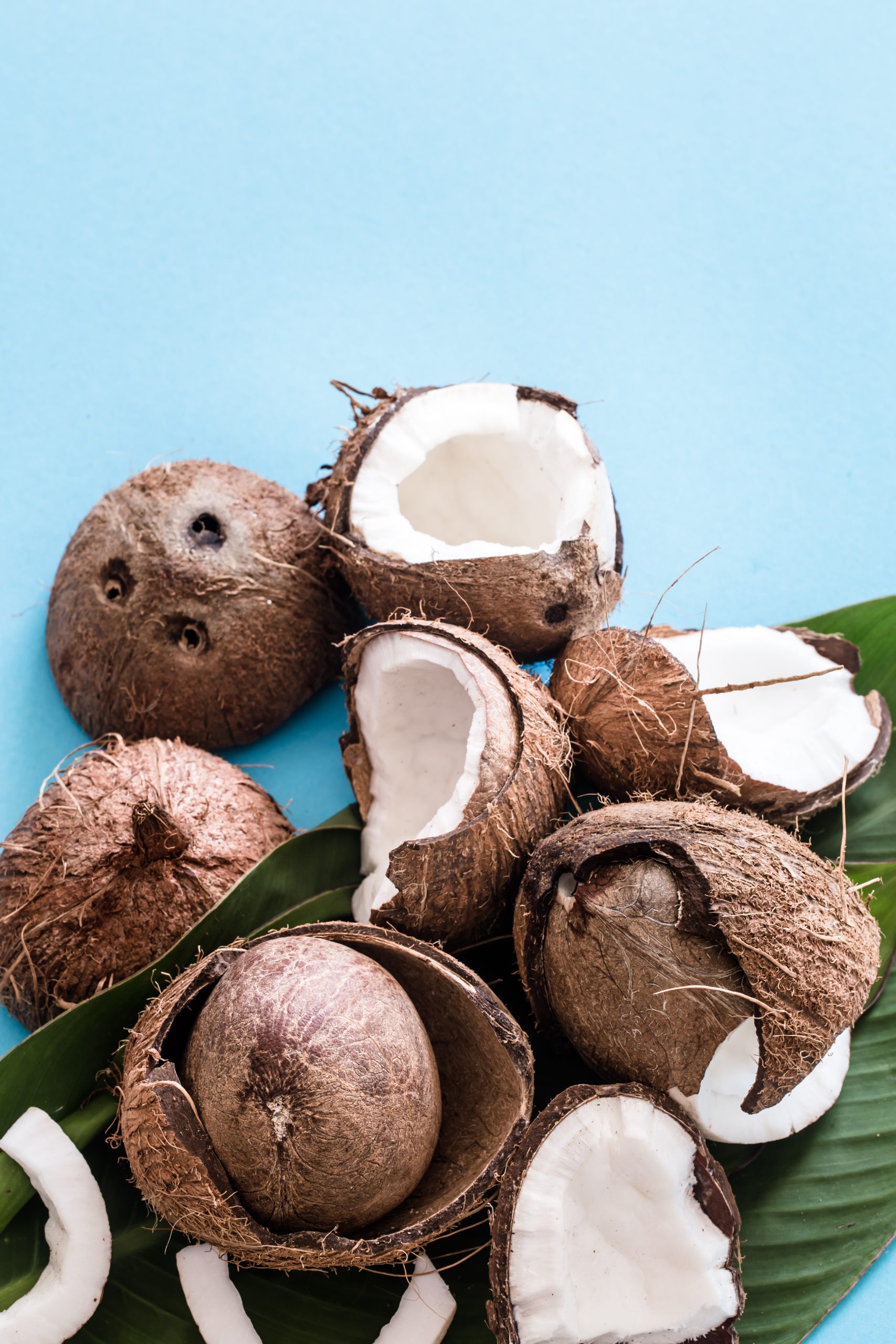

Indonesia faces a severe coconut shell shortage, crippling the coconut processing sector for nearly five months. Since late 2024, the crisis has compelled companies to reduce or suspend production, resulting in thousands of temporary job losses. With coconut demand spiking during Ramadan and Eid, industry observers warn the problem may worsen in the coming months (Kompas, 26 February 2024).
The Indonesian Coconut Processing Industry Association (HIPKI) attributes the shortage to a steep drop in coconut production in 2024. Data from the Directorate General of Plantations, Ministry of Agriculture, shows production dropped 31 percent from 2023, falling from 2.84 million tons (14.18 billion coconuts) to 2.82 million tons (14.11 billion coconuts).
The supply crunch is exacerbated by the rising exports of whole coconuts, both legal and illegal, particularly to China, Thailand, Vietnam, and Malaysia (Kompas, 18 December 2024). This outflow has deprived domestic processors, including charcoal briquette factories, of the shells and husks they rely on for production.
The coconut-processing sector is facing severe disruption: since January 2025, six companies have temporarily halted operations, two factories have shut down permanently, and in Riau, two major processors have laid off approximately 3,000 employees after suspending operations. If the shortage continues into March, HIPKI warns that another 5,000 workers may be impacted.
A December 2024 HIPKI survey revealed that 16 coconut companies were operating at only 33% of their total production capacity. If closures continue, more than 21,000 jobs could be lost, and revenue losses for the industry could reach trillions of rupiah. Eight companies alone stand to lose up to Rp 3.4 trillion in potential revenue this year, compared with a maximum capacity income of Rp 7.2 trillion.
Michael Darwis, a charcoal producer with plants in Lampung and Medan, detailed the supply chain crisis. His Lampung factory has shut down; in Medan, only one of the three machines is operational. “If raw materials run out by end-February, the Medan factory faces the same fate,” he said.
The scarcity is hitting large processors, households, and small food and beverage businesses hard. Coconut prices in traditional markets have surged to Rp 15,000–19,000 per fruit, with even sharper increases looming during Ramadan. These rising costs threaten to overwhelm both consumers and micro-enterprises that depend on coconuts.
Despite industry concerns, the Ministry of Agriculture claims the national coconut balance remains in surplus. The Central Statistics Agency’s 2023 survey revealed an average per capita consumption of 4.23 coconuts per year, totaling 1.1 billion nationwide. With 2023 production at 14.18 billion coconuts, minus consumption and exports (292 million whole and 186,000 young coconuts), officials argue there remains a surplus of 3.6 billion coconuts (Kompas, 20/12/2024).
In 2024, production decreased by just 0.5 percent, or approximately 70,000 coconuts. Officials insist this decline doesn’t justify the industry’s reported crisis. The gap between government and industry perspectives highlights distribution inefficiencies, export leaks, and management issues that extend beyond production.
The Ministry of Industry (Kemenperin) has stepped in, proposing a series of measures to stabilize supply. These include:
Director General of Agro Industry Putu Juli Ardika stressed the need for stricter governance: “We will keep coordinating and evaluating policies to ensure they are effective and on target.”
Behind the numbers, several deeper issues explain the current crisis:
If not resolved, the coconut shell shortage threatens Indonesia’s charcoal briquette industry—which supplies the global shisha and BBQ markets—as well as the livelihoods of thousands of workers and the stability of household consumption. Industry leaders stress the need for swift government action on export bans and productivity programs to prevent further crises.
Indonesia must align government policy with industry realities, curb illegal exports, and invest in plantation renewal to achieve long-term sustainability. Without swift action, the country risks damaging its valuable agro-industrial chain as global demand for coconut-based products continues to grow.
Sources: Kompas (18/12/2024; 26/2/2024; 20/12/2024); suaramerdeka.com; kemenperin.go.id