
The briquette business is gaining global attention as demand rises for cleaner, sustainable, and cost-effective fuel alternatives. By converting agricultural waste or charcoal powder into briquettes, the sector delivers both environmental benefits and strong profit potential.
Moreover, demand is increasing across households, restaurants, shisha lounges, and export markets, highlighting briquetting as a significant business opportunity.
The briquette business is a commercial activity that involves producing and selling briquettes, which are compact blocks of biomass or charcoal powder compressed into a uniform shape for use as fuel.
The process uses low-value raw materials like sawdust, rice husks, coconut shells, corn cobs, or charcoal dust, which are mechanically compressed into dense, easy-to-handle fuel. These briquettes are then packaged and sold to households, restaurants, industries, and export markets as alternatives to firewood, coal, or raw charcoal.
The core of the business is value addition: converting low-demand waste materials into a clean, standardized, and convenient product that commands a higher market price. This transformation defines the briquette industry.
The target markets of the briquette business are:
Yes, the briquette business is profitable when managed correctly, because it transforms low-value raw materials into a higher-value fuel product. The profitability stems from value addition: messy agricultural waste or charcoal powder, which has little market demand, can be compressed into standardized briquettes that sell at two to five times the price of the raw input.
Several factors contribute to the profitability of this business:
The profit structure of the coconut shell charcoal briquette business has changed significantly in recent years due to rising raw material and production costs. Today, the price of coconut shell charcoal (CSC), which is the main raw material, typically ranges between USD 950 and 1,000 per metric ton.
After accounting for binders, energy, labor, packaging, quality control, and factory overhead, the total production cost for one metric ton of finished briquettes generally falls within the range of USD 1,150 to 1,400 per ton, depending on operational efficiency and packaging specifications.
In the export market, finished briquettes are currently sold at FOB prices between USD 1,550 and 1,850 per ton, with the final price largely influenced by packaging quality, branding, and target market. As a result, producers can achieve gross margins ranging from approximately 13% to over 30%, with higher margins concentrated in premium packaging and high-quality segments.
However, profitability in the briquette business is highly dependent on execution. Stable access to competitively priced CSC, efficient production processes, strict quality control, and well-managed logistics are critical. Volatility in raw material prices, high rejection rates, or rising transport and compliance costs can quickly erode margins. In the current market environment, sustainable profitability is no longer driven by low costs alone, but by operational discipline and value-added market positioning.
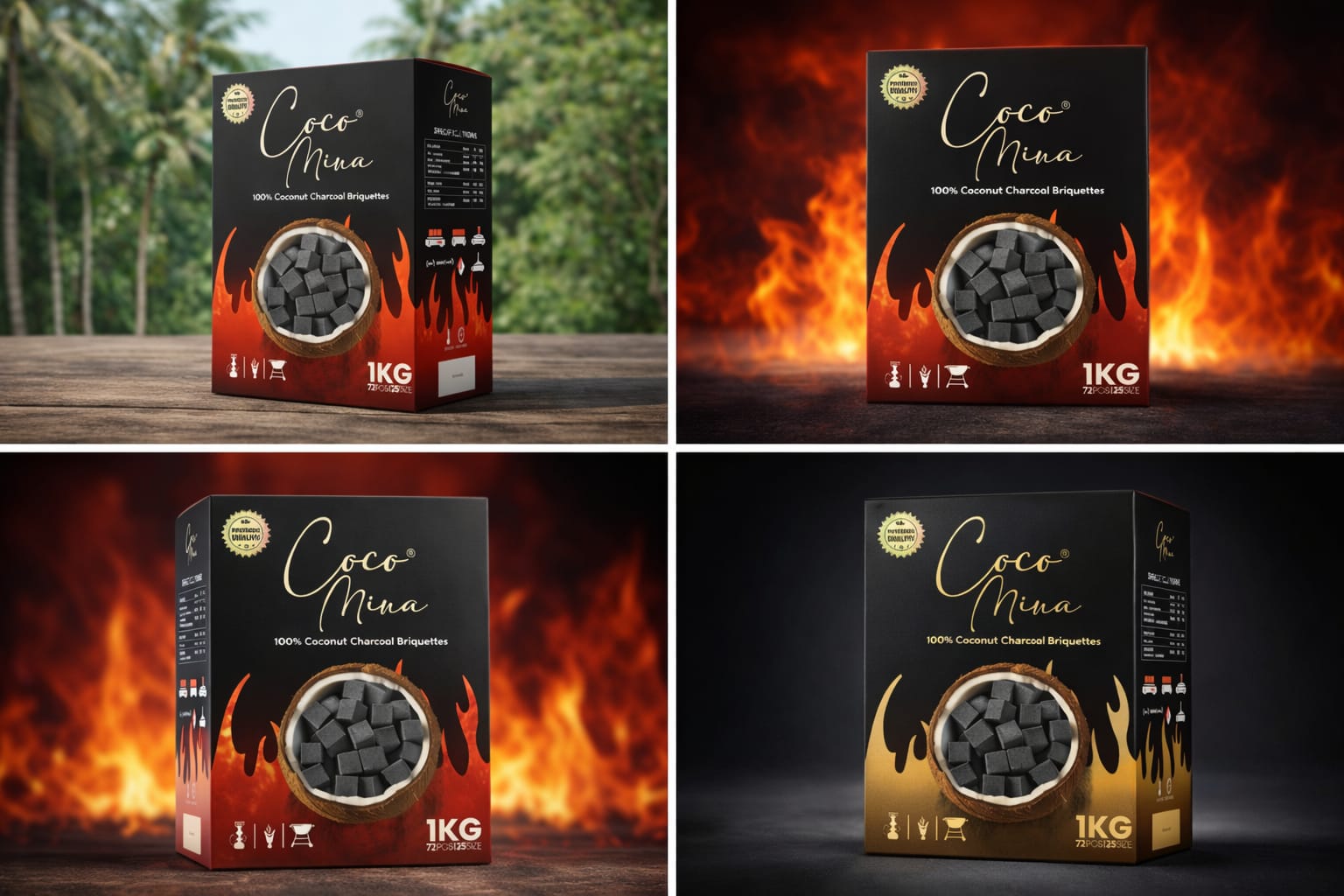
The best charcoal briquettes come from reputable companies that emphasize quality, consistency, and sustainable practices. Mina Indo, based in Indonesia, supplies premium, 100% natural briquettes that are low in ash, long-burning, smokeless, and chemical-free. These features make the charcoal briquettes suitable for households, restaurants, BBQ enthusiasts, and shisha lounges.
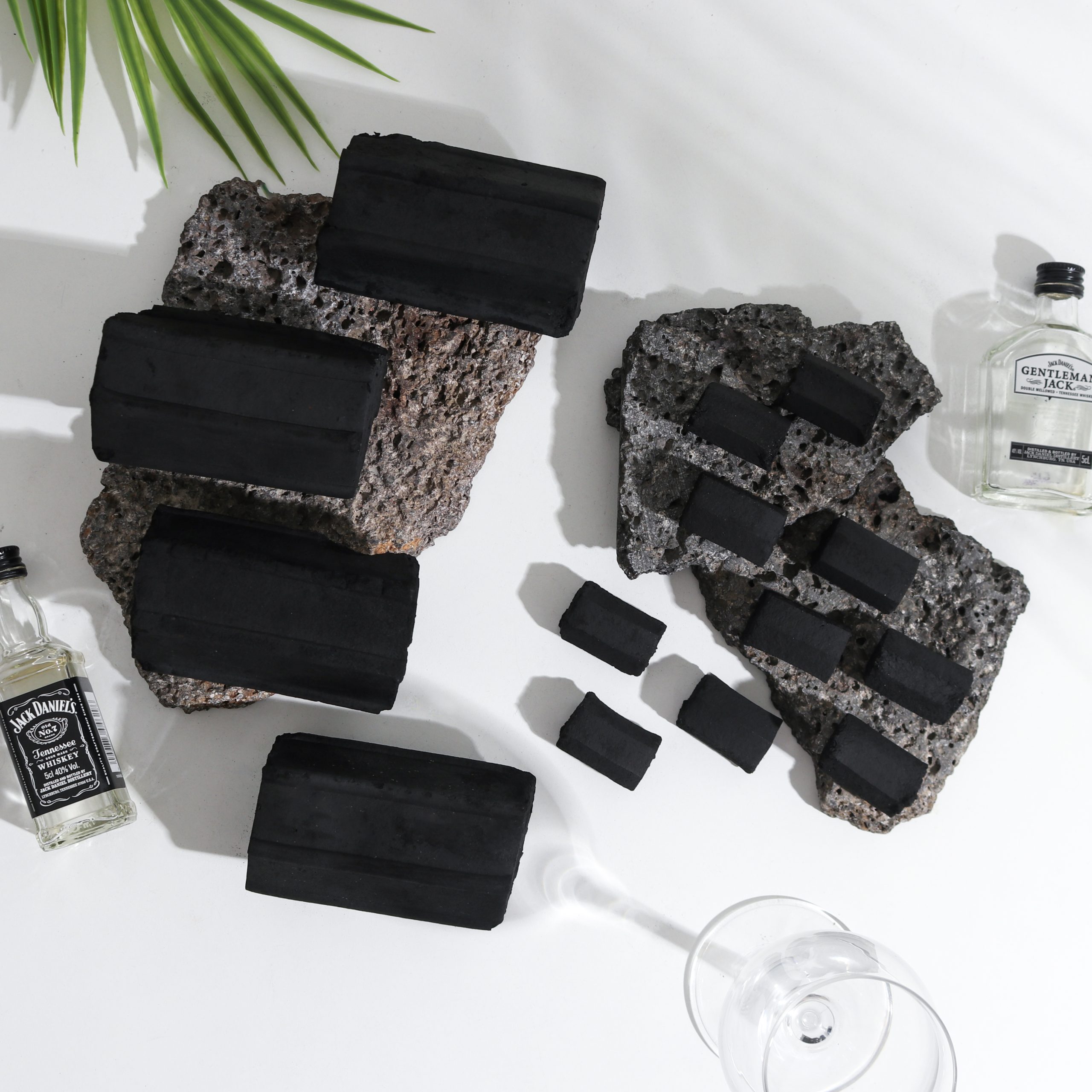
Mina Indo provides a comprehensive range of products, including coconut charcoal briquettes for shisha, BBQ briquettes, pillow briquettes for grilling, and raw coconut shell charcoal to sustain any briquette business. Our hygienic production processes, OEM packaging, and flexible payment options make us a reliable export partner for importers and distributors globally.