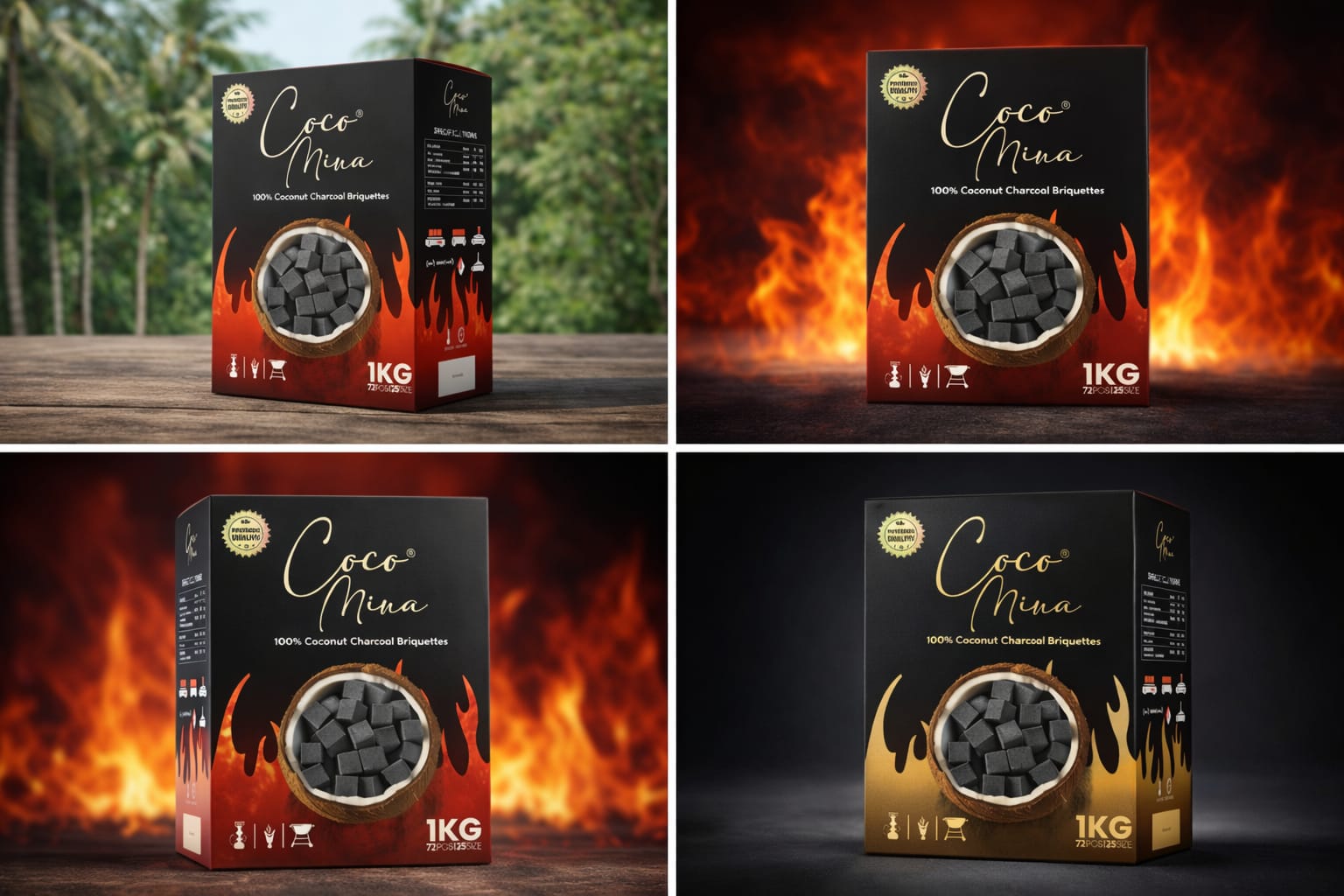
The charcoal briquette market is highly competitive. Currently, producers must ensure their products are consistently high quality and also catch the eye of shoppers in stores and online. Well-designed charcoal briquette packaging is one of the best ways to do this. Today, packaging does much more than hold the product—it helps build a brand, share information, and earn consumer trust.
Why Packaging Matters in the Charcoal Briquette Industry
Unlike raw charcoal, briquettes are designed to be uniform, clean, and convenient for everyday use, whether for BBQ, shisha, or household heating. The packaging of briquettes plays multiple roles:
- Protection: Charcoal briquettes are more fragile than lump charcoal. Without sturdy packaging, they can break into dust during transport. Well-structured packaging prevents breakage and preserves product integrity.
- Preservation: High-quality packaging helps control exposure to moisture, ensuring the briquettes remain dry and easy to ignite.
- Information: Packaging communicates essential details such as burning time, ash content, certifications, and safety standards.
- Branding: In an increasingly saturated market, eye-catching design builds recognition and brand loyalty.
- Compliance: Export markets often require specific labeling standards or certifications to enter the supply chain legally.
So, packaging is more than just a way to protect the product. It is also a key marketing tool that can shape what consumers choose to buy.
Functional Aspects of Good Charcoal Briquette Packaging
Good briquette packaging must work well. Even a great product can be ruined by poor packaging. Here are the most important features to focus on:
- Durability: Thick paper bags with inner linings or laminated polypropylene sacks prevent tears and leakage during handling. Export-grade packaging often includes multi-layered kraft paper combined with polyethylene.
- Moisture Resistance: Since briquettes must remain dry, waterproof linings or moisture-proof films are essential. Without this, briquettes may lose their ignition quality.
- Size Options: Packaging should accommodate various consumer needs, from small 1–2 kg packs for households to bulk 10–20 kg sacks for restaurants or distributors.
- Ease of Handling: Adding sturdy handles, resealable zippers, or perforations makes packaging user-friendly and improves customer satisfaction.
- Sustainability: Eco-friendly packaging, utilizing recyclable or biodegradable materials, enhances a brand’s appeal to environmentally conscious consumers.
Design Elements That Sell
Besides working well, the look of charcoal briquette packaging also affects what people buy. These are the main design features to consider:
- Color Scheme: Black, red, orange, and earthy tones are commonly used to evoke fire, heat, and energy. The choice of color should align with brand identity and consumer psychology.
- Typography: Clear, bold fonts help convey product information quickly and effectively. Customers should easily find details about burn time, safety, and intended use (BBQ or shisha).
- Imagery: High-resolution images of grilling food, glowing briquettes, or cultural BBQ scenes create an emotional connection with buyers.
- Brand Logo: A prominent logo ensures brand recall, especially in competitive retail environments.
- Certifications and Seals: Displaying certifications such as ISO, FSC, or Halal logos enhances credibility, particularly in export markets.
- Minimalist vs. Detailed: Some brands opt for a minimalist design with sleek lines and bold colors, while others prefer detailed visuals showcasing usage scenarios. Both approaches work if consistent with the target audience.
Packaging for Different Markets
The charcoal briquette industry serves varied markets, and each has unique preferences and requirements:
- BBQ Market: In Western countries, BBQ briquettes are often sold in large, durable sacks. The design emphasizes long burn time, consistent heat, and the promise of delicious grilled food.
- Shisha Market: For shisha briquettes, especially those made from coconut shell charcoal, smaller boxes are commonly used. Premium packaging is expected, highlighting qualities like smokeless burning and long-lasting cubes.
- Industrial Market: Bulk buyers, such as restaurants or factories, prefer cost-efficient, plain packaging that emphasizes durability over design flair.
- E-commerce Market: Online buyers value packaging that looks appealing in product photos. Brands often invest in creative visuals, resealable packaging, and eco-friendly materials to attract digitally savvy customers.
Case for Sustainable Packaging
Sustainability is now an important part of packaging design. As more people worry about plastic waste, many buyers look for eco-friendly options. Charcoal briquette producers can consider alternatives like:
- Recyclable kraft paper bags with water-resistant coatings.
- Biodegradable films instead of traditional plastic linings.
- Simple, low-ink designs that reduce chemical waste.
Eco-friendly packaging attracts buyers who care about the environment and also helps brands look good in global markets, where rules are getting stricter.
Marketing Benefits of Good Packaging
Packaging is usually the first thing customers touch from a brand. When done well, it brings several marketing benefits:
- Differentiation: Distinctive packaging design sets a brand apart from competitors on crowded shelves.
- Trust Building: Professional, clean design signals quality and reliability.
- Repeat Purchase: Customers who are satisfied with both the product and its packaging are more likely to make a repeat purchase.
- Word of Mouth: Attractive packaging encourages consumers to share their purchases on social media, creating organic brand promotion.
Challenges in Packaging Design
Even though packaging is important, designing it well is not easy. It can be hard to make packaging that is both strong and eco-friendly, since this often costs more.
Export rules also change from country to country, so producers must keep adjusting. Packaging needs to work for both wholesale and retail buyers, which is not always simple. There is also a risk of counterfeiting if designs are too basic.
To solve these problems, producers often work with packaging experts and use secure printing to protect their products and keep customer trust. However, if you choose to work with Mina Indo, we offer consultation services tailored to your design needs.
The Future of Charcoal Briquette Packaging
In the future, the charcoal briquette industry will likely focus even more on smart and sustainable packaging. New ideas could include QR codes that share brand stories, interactive features, and better ways to keep briquettes dry. As more people buy briquettes worldwide, packaging will be key to how customers see and choose brands.
Good charcoal briquette packaging does more than hold the product. It connects producers and customers, keeps the briquettes safe and high quality, shares important details, and helps build the brand. Whether the market is for BBQ fans, shisha users, or industrial buyers, packaging is both a must-have and a way to stand out. Producers who choose strong, eco-friendly, and attractive packaging can earn customer trust and set themselves up for long-term success.